AI and 2025
Continued improvement or radical change?
At the start of 2025, the pace of AI isn’t slowing. It seems like each day that passes, we get another AI tool, LLM update, or brand new LLM provider on the scene.
Hardware and software product teams are working hard to add AI functionality into their offerings, and the VC community is clamoring to fund the next AI unicorn.
The hype around all of this is almost overwhelming, but I’m wondering is it just me, because I’m immersed in it, or is the intensity felt outside my own technical bubble?
For the everyday user, I see AI continuing to weave its way into their lives. In some cases, that person has no idea they are consuming AI content, or interacting with an AI bot, rather than a person. In other cases, a person may be actively engaging with AI to compose emails, brainstorm ideas, create media, and more.
Over time, people will slowly come to accept and trust what AI is providing, without thinking twice. The need for critical thinking becomes even more important going forward. A posture of “trust, but verify” is especially critical as 2025 unfolds.
Agents
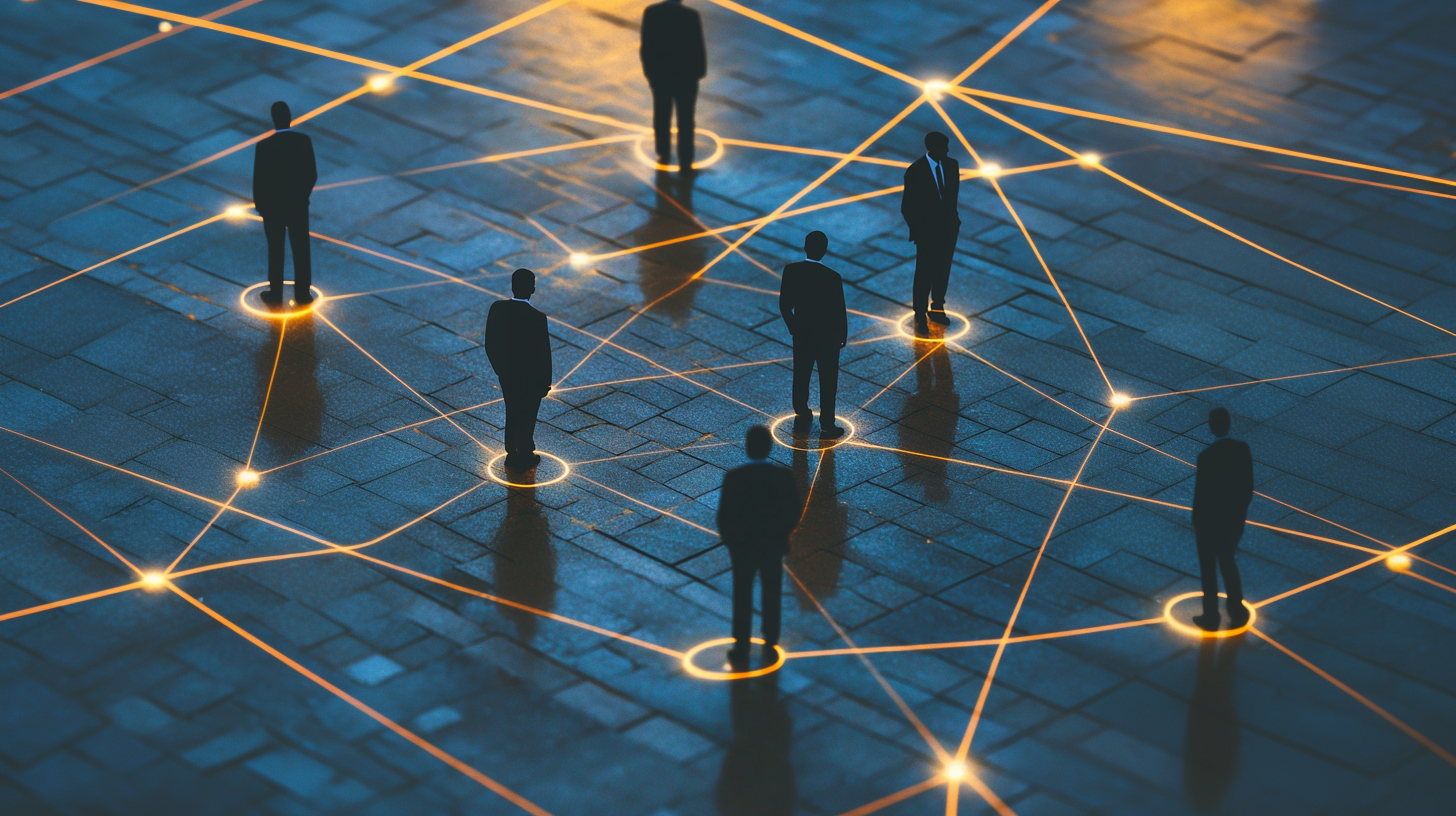
In addition to the parade of new AI platforms and software integrations, I think the biggest advancements this year will be in the area of agents.
You might consider ChatGPT or Claude to be a form of agent (since there is no universally accepted definition as of yet), but I think of agents to mean a group of processes working together to accomplish a task.
What does this mean for us?
We have already seen the start of this trend over the past year, with platforms like Make and Zapier - platforms that allow AI to be integrated into larger workflows. And, the LLM providers themselves are actively iterating their products more and more into the agent space. I would expect to see significant announcements this year from OpenAI, Anthropic, Google, et al. as they unveil agent capabilities.
How about a practical examples of how a set of agents can be used?
Let’s imagine that you are a marketing firm that is managing a campaign for a fashion brand. The following agents would work together to plan and execute each component of the campaign:
The Content Strategy Agent analyzes market trends, brand guidelines, and past performance data to develop content themes and messaging strategies. It feeds these insights to:
The Creative Agent, which generates post concepts, draft copy, and image descriptions aligned with the strategy. These drafts go to:
The Optimization Agent, which customizes each piece of content for different platforms (Instagram, X, Threads, LinkedIn, TikTok, etc.) based on historical engagement data and platform-specific best practices. It hands off to:
The Scheduling Agent, which determines optimal posting times by analyzing audience activity patterns and coordinating across platforms to prevent content overlap. It works with:
The Engagement Agent, which monitors posts in real-time, identifies trending conversations, flags comments requiring human response, and suggests relevant hashtags and accounts to engage with.
Finally, the Performance Agent collects data from all interactions, analyzes campaign effectiveness, and feeds insights back to the Content Strategy Agent to refine future content decisions.
There would be a person actually overseeing the process and validating the output of the process.
In the coming weeks, I’ll delve deeper into where agent technology is today, how it is evolving, and talk more about what it means to build a system like this.
Cheers!